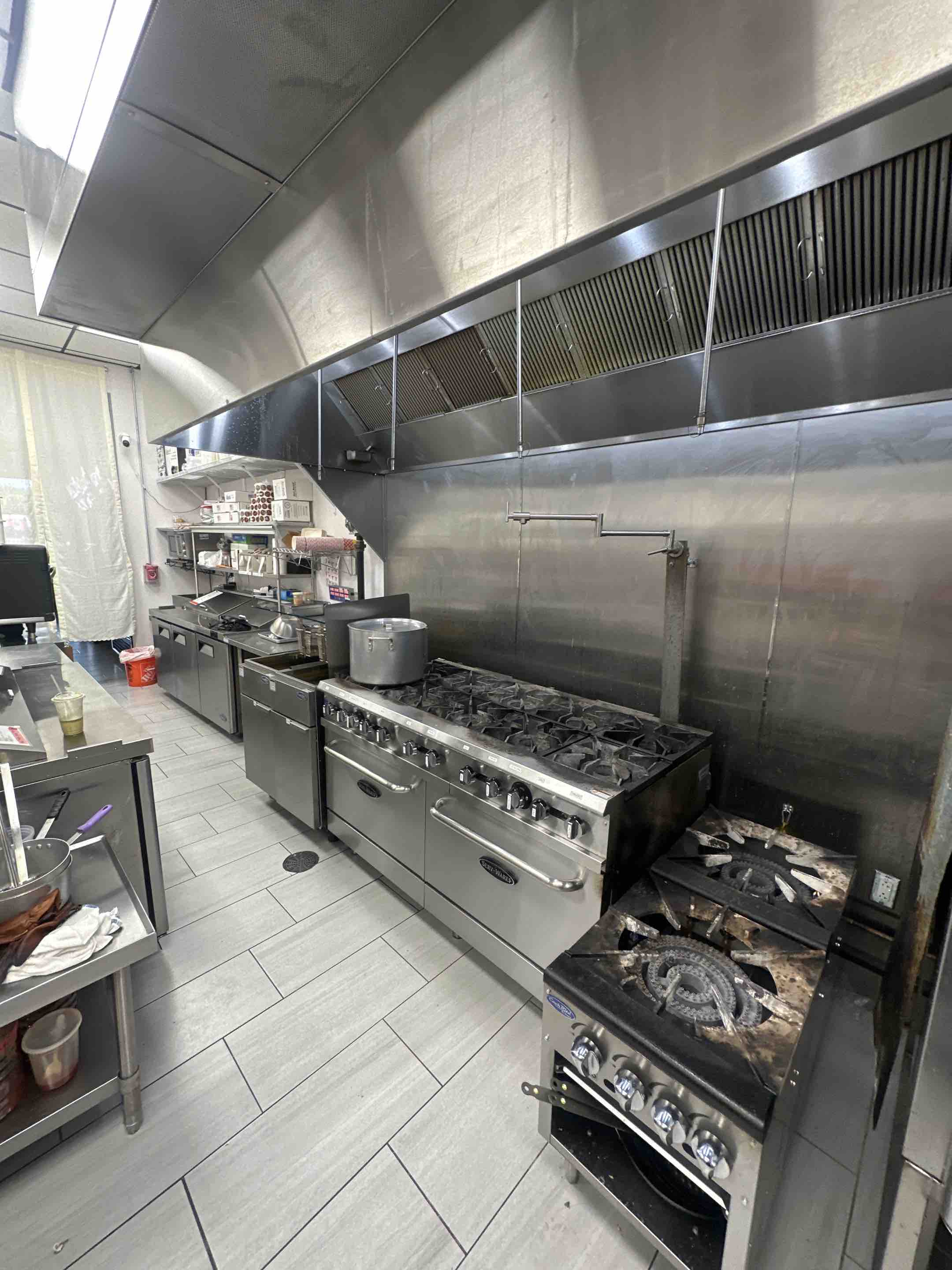
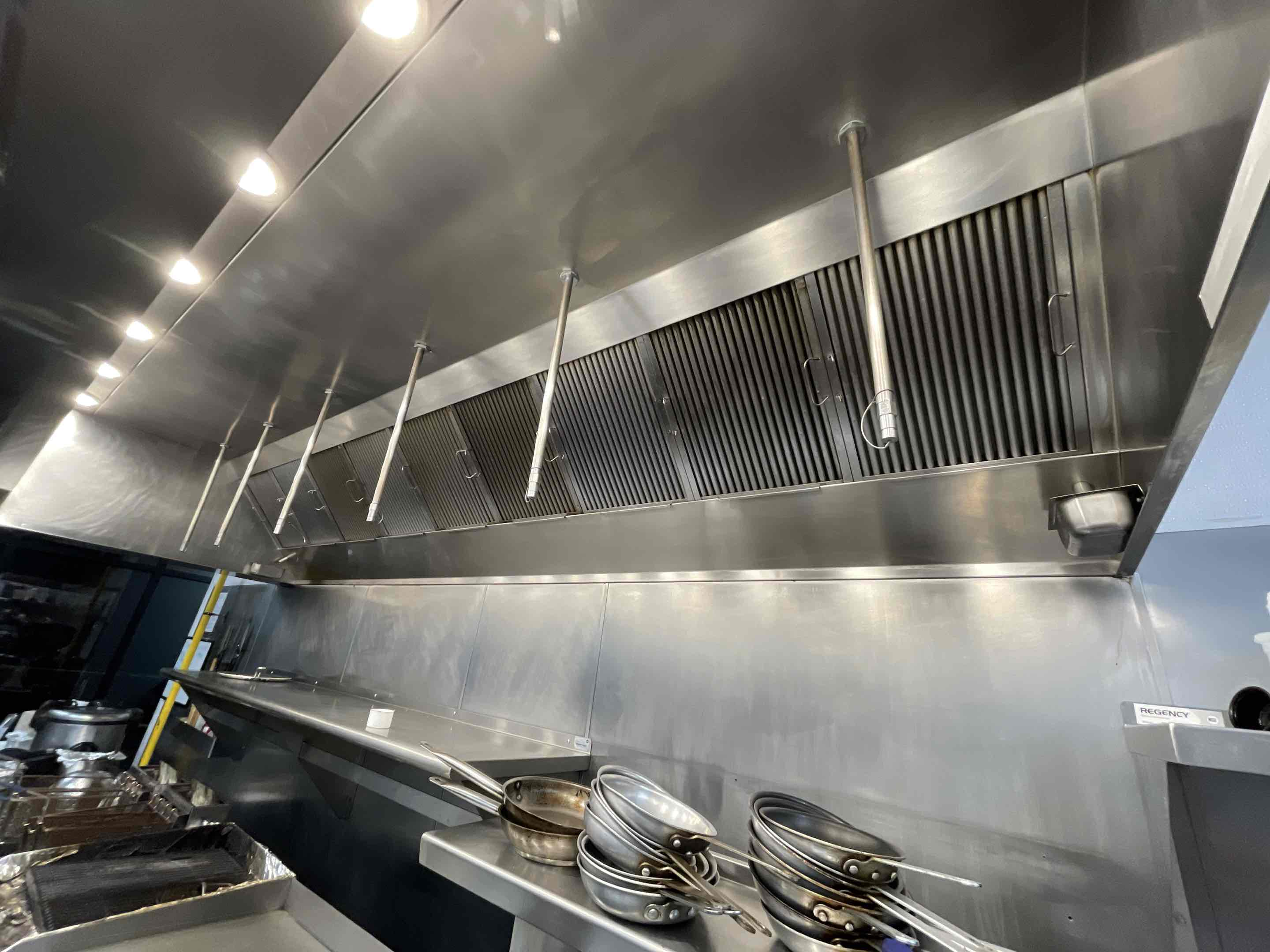
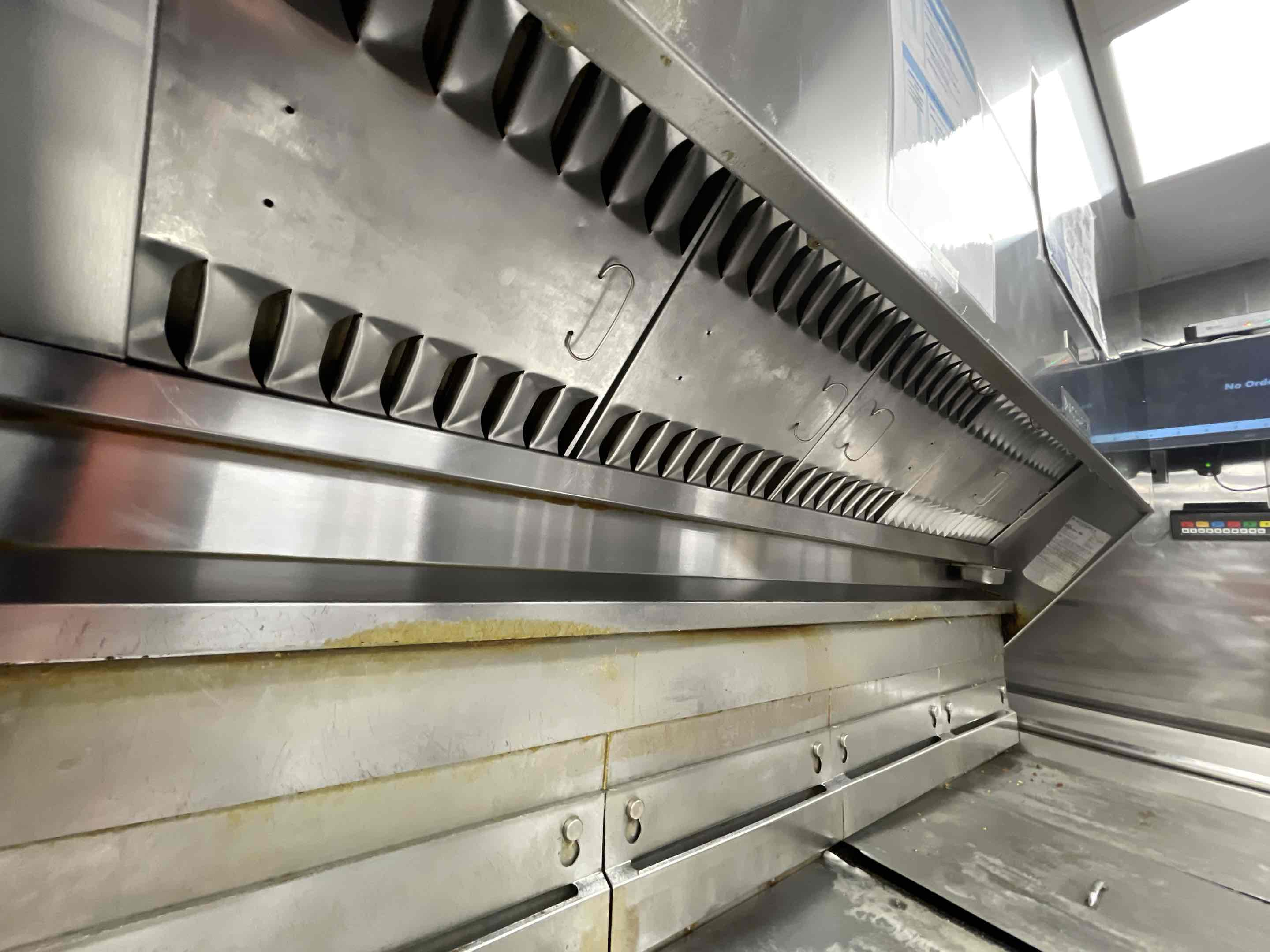
Do you have a Professional Hood Cleaning Company or a HOOD WIPER?
Interesting Question!! Let’s Find Out
What is a “hood wiper” ? A hood wiper is a person or company that simply wipes down the visible areas of the commercial kitchen exhaust system, this practice leaves your commercial kitchen exhaust duct system with grease buildup that hardens to a concrete point, following from years of grease accumulation. This becomes a highly flammable fuel source inside your kitchen exhaust duct system.
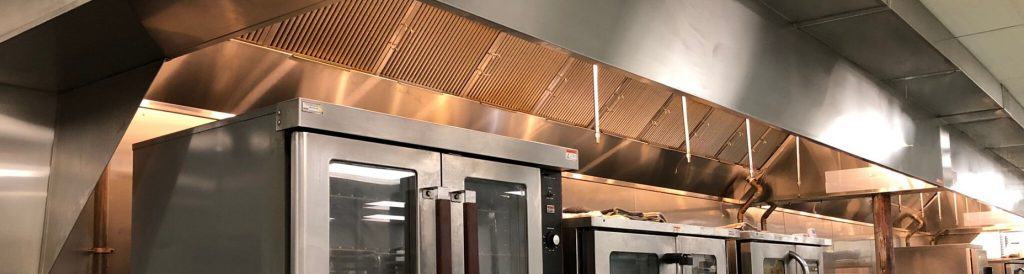
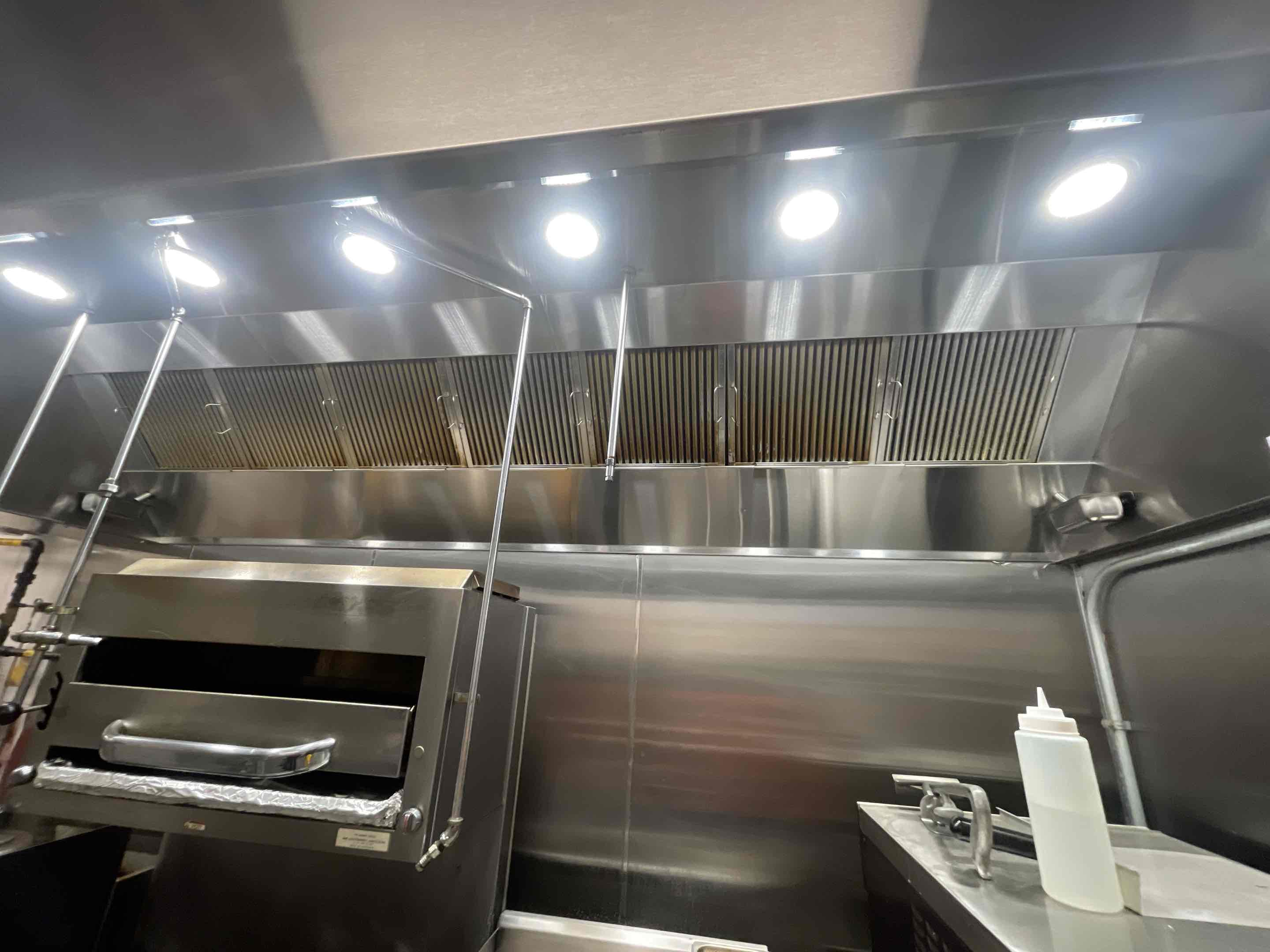
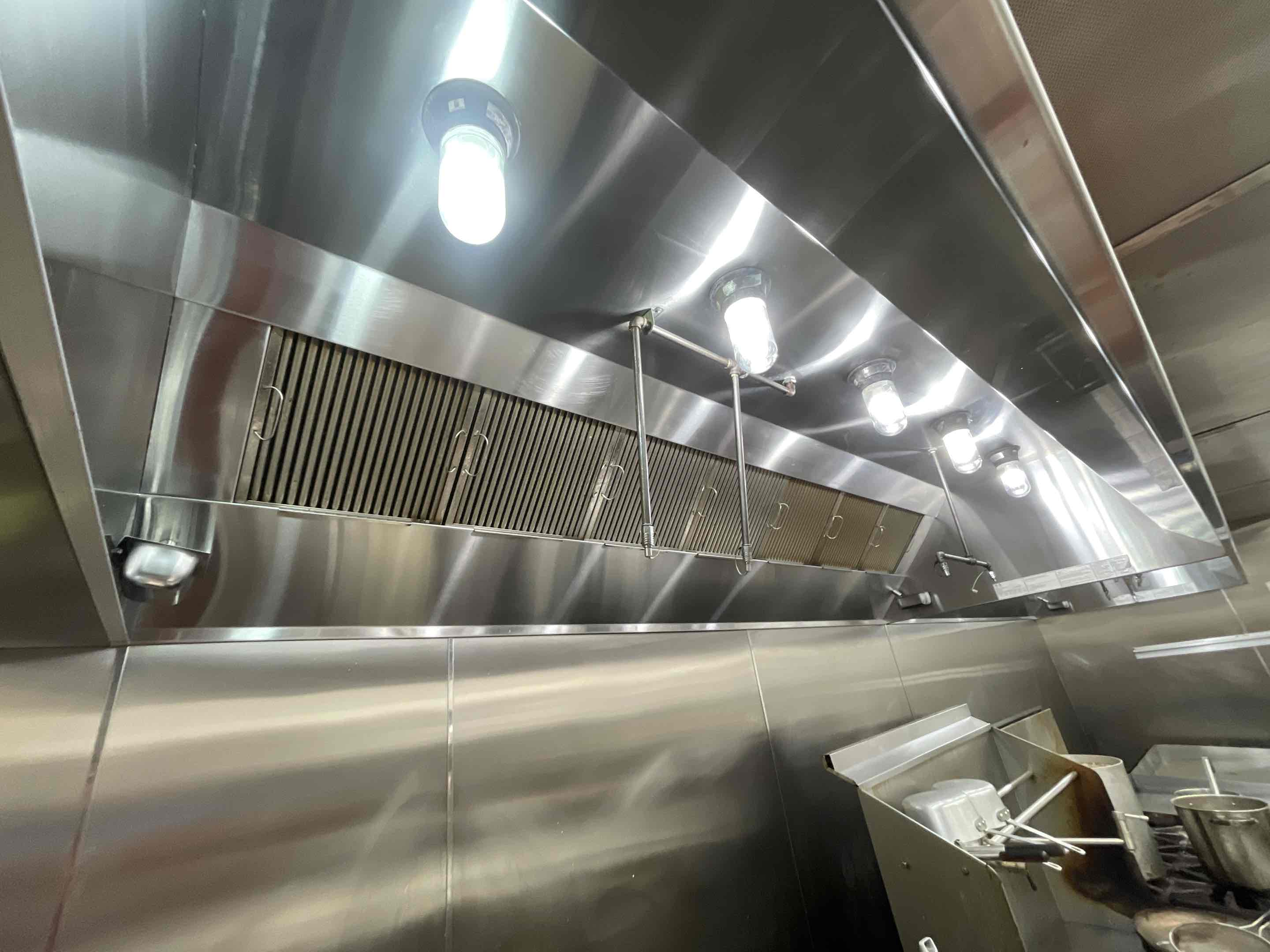
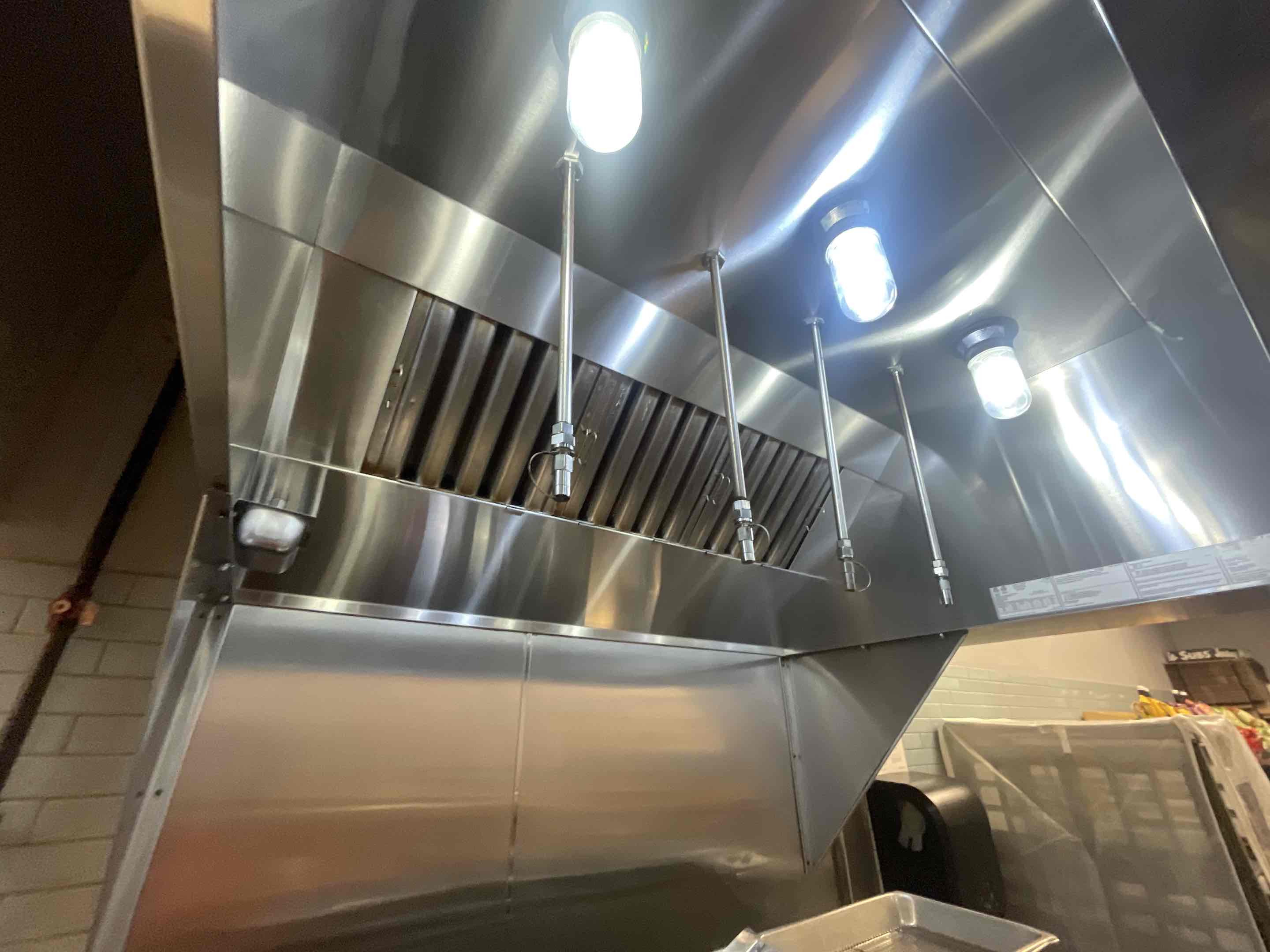
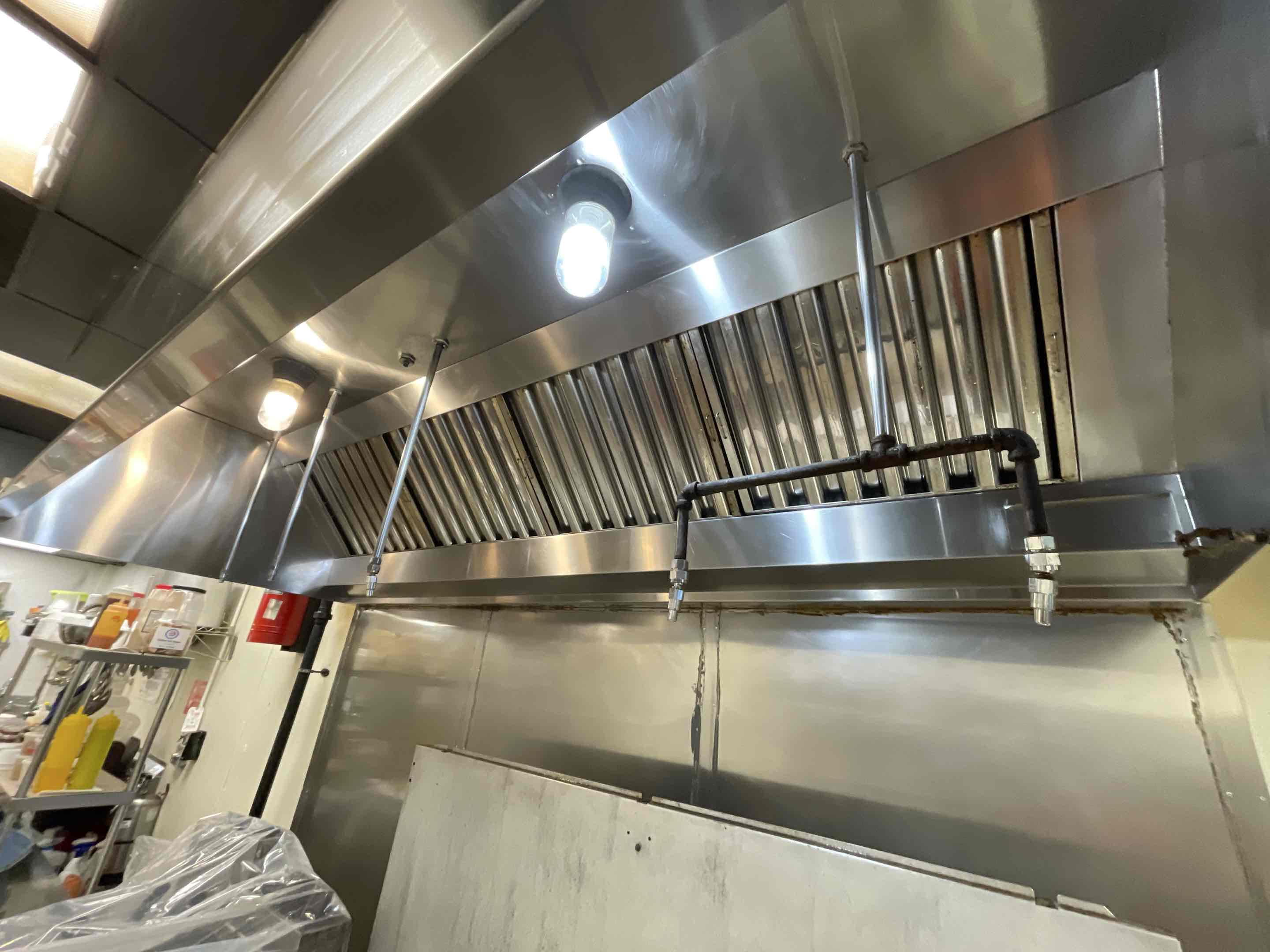
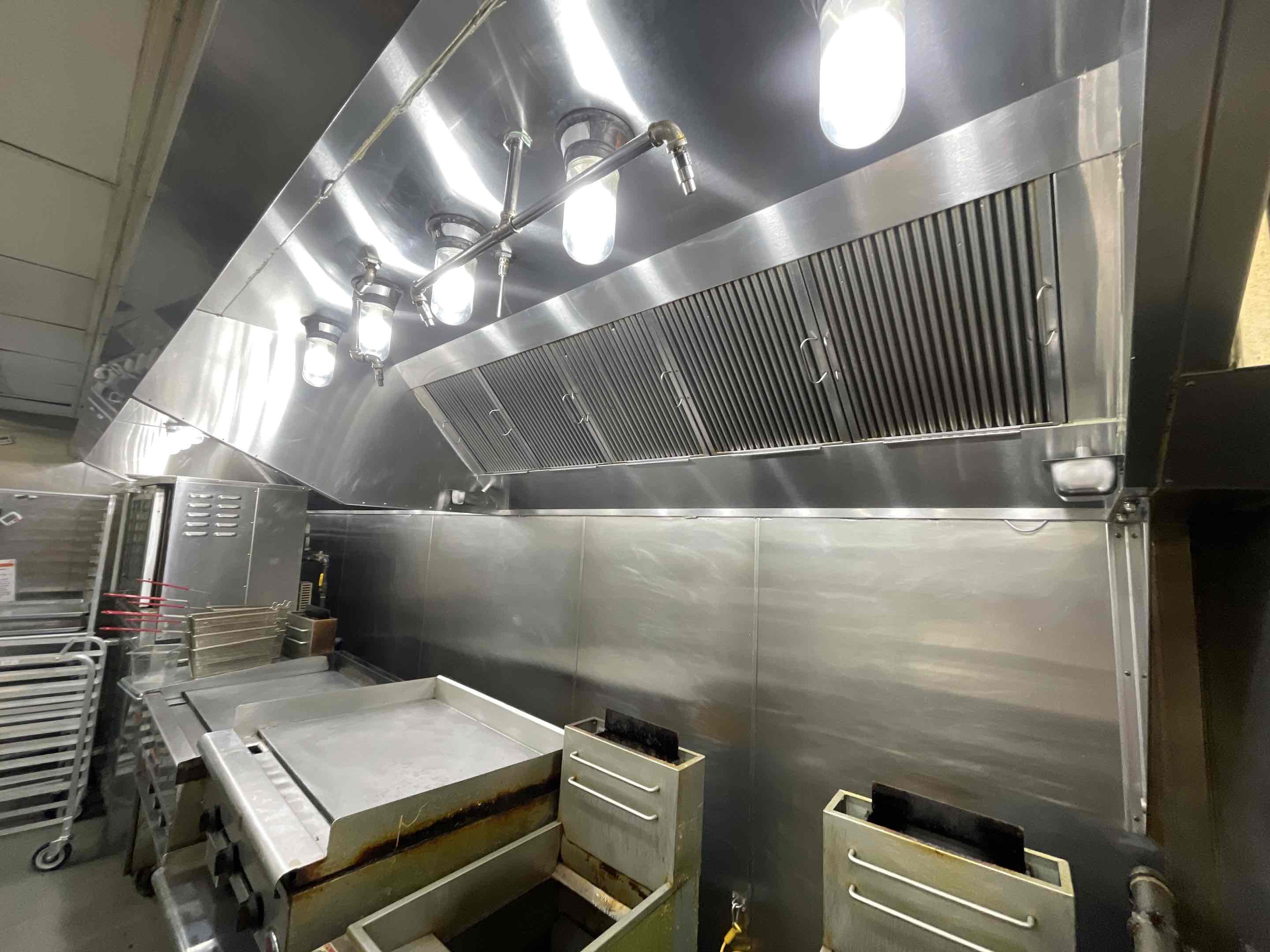
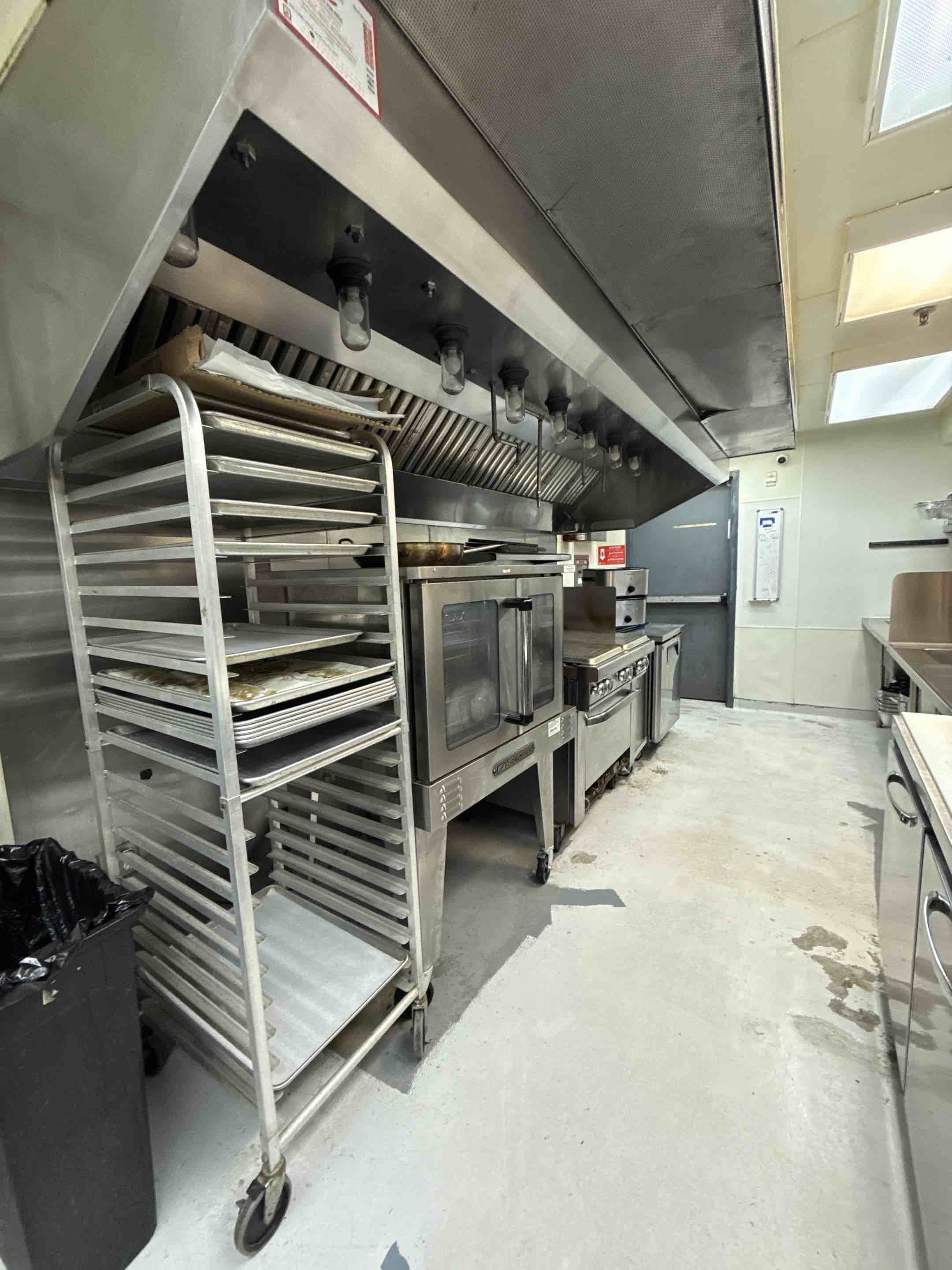
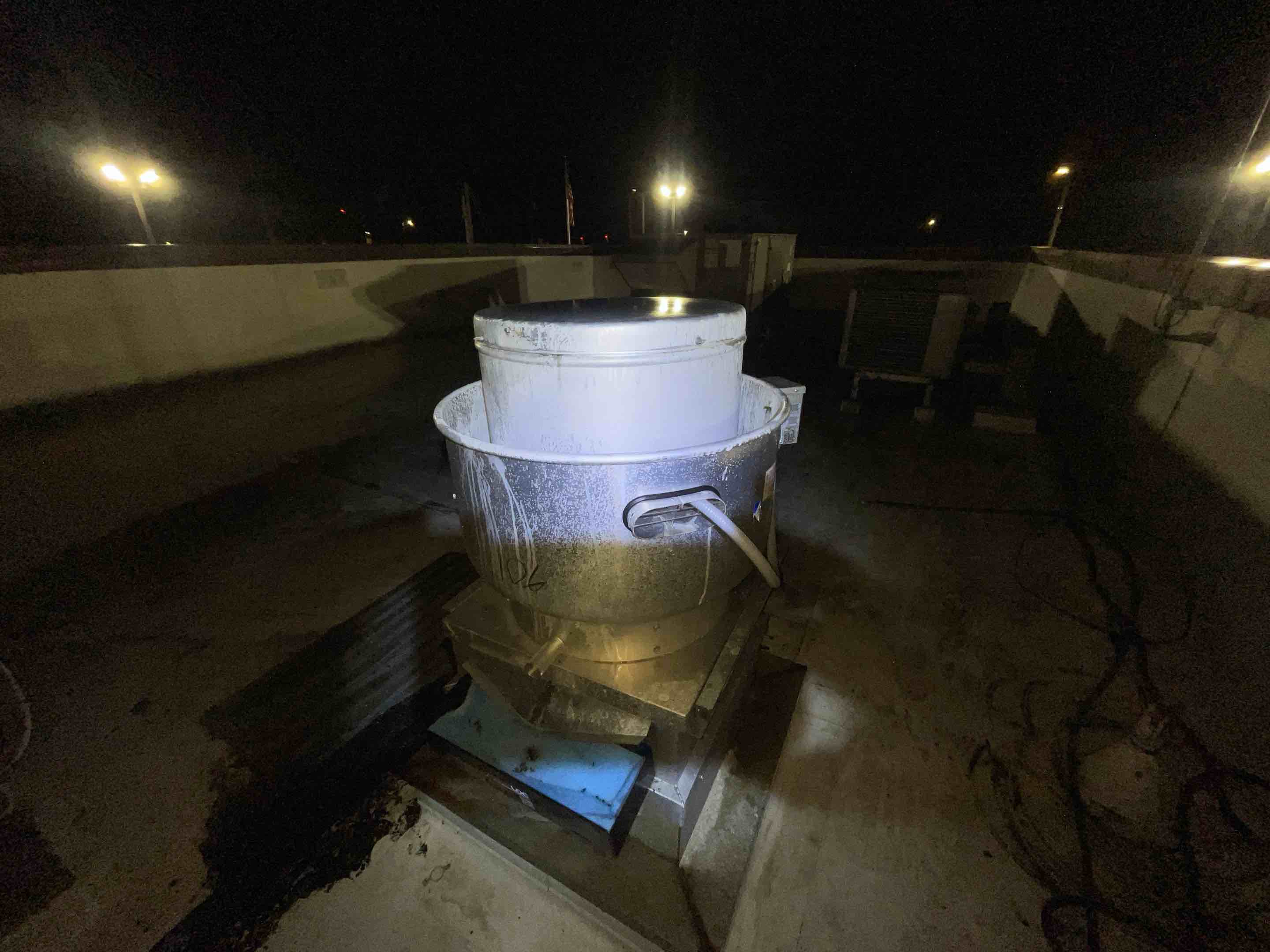
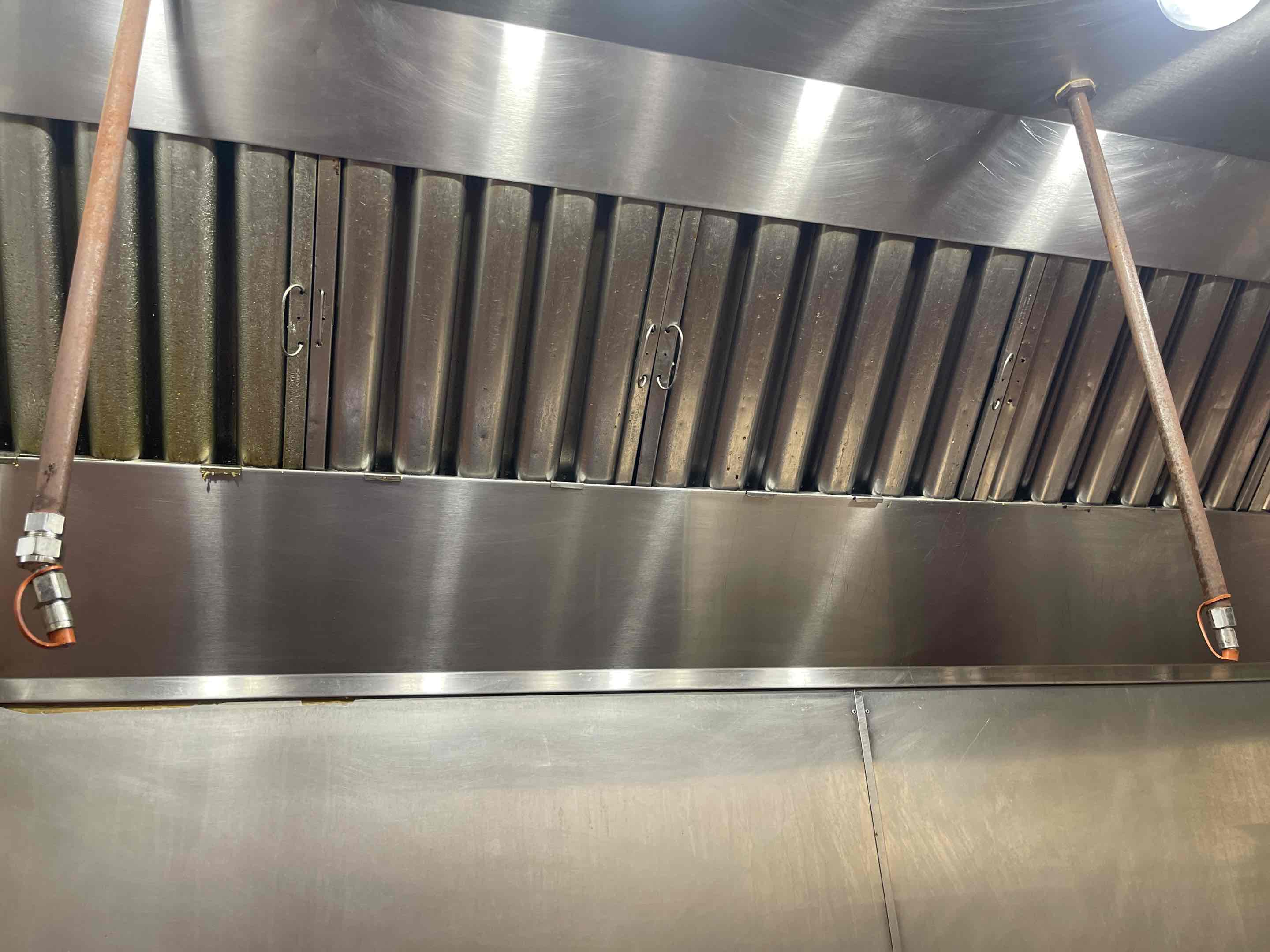
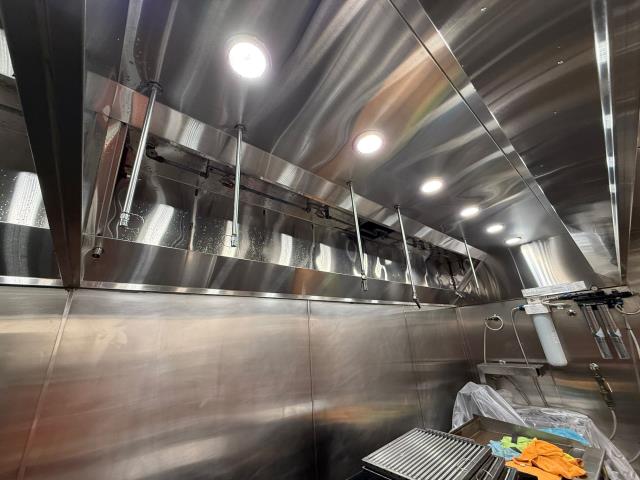
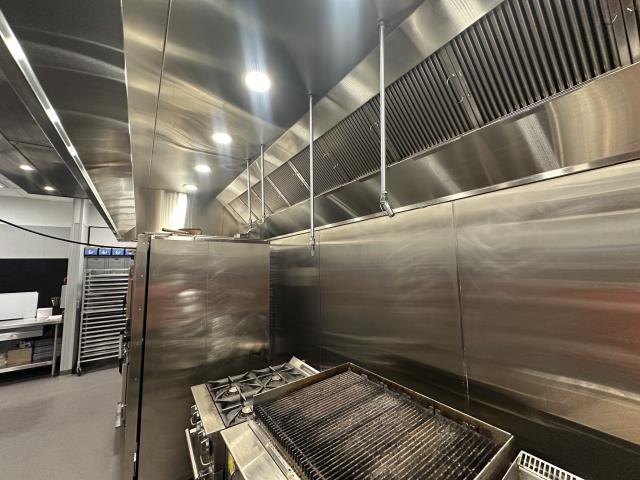
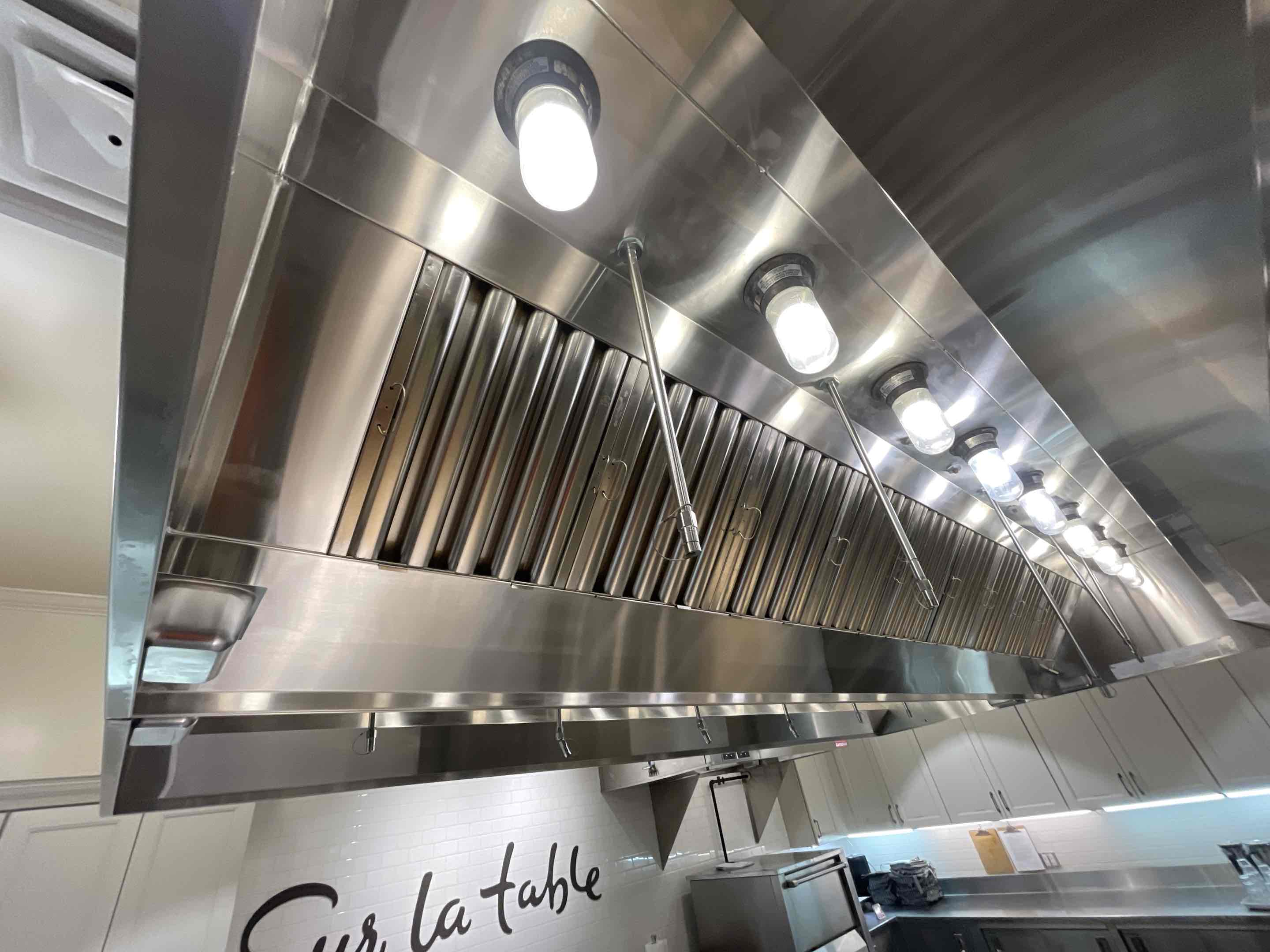
What is a Professional Hood Cleaning Company? A person and/or companies that have the knowledge to follow fire codes, NFPA codes to eliminate fire hazard and to be in compliance with your local fire Marshall. While a “hood wiper” only wipes the visible areas, a professional hood cleaning company clean the entire exhaust hood system including: duct, access panel, plenum, exhaust fan, and exhaust hood.
Ready to get started?
For a professional Quotation please call 919-229-9599 today and book your personal consultation with the hood cleaning industry leader in Raleigh, North Carolina and surrounding areas.
Very professional, great customer service!! Everything was as they said it was and Eduardo was excellent. we've been looking for a good hood cleaning service for more than 10 years and we have finally found one. Thank you for taking your business seriously and valuing our time and money
Tj Belcher
Pablo the technician that came out did an awesome job he was definitely focused on getting the job done but getting the job done correctly he let me know of any issues I had with my hood system and they were all corrected I must admit this guy's awesome last time I had my hood cleaned it took three people and still didn't look as good or run as good as it did after Pablo finished with it highly recommended company will definitely be my go-to from now on
Megan Miller
We love the job the guys do. Our restaurant hood system was in bad condition in the past, since we hire Elite Hood Service we don't have any problem with our restaurant hood system, Elite perform an excellent hood cleaning service job we recommend Elite Hood Service.
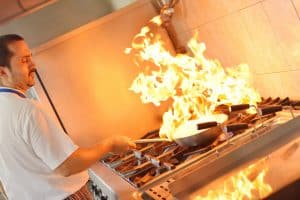
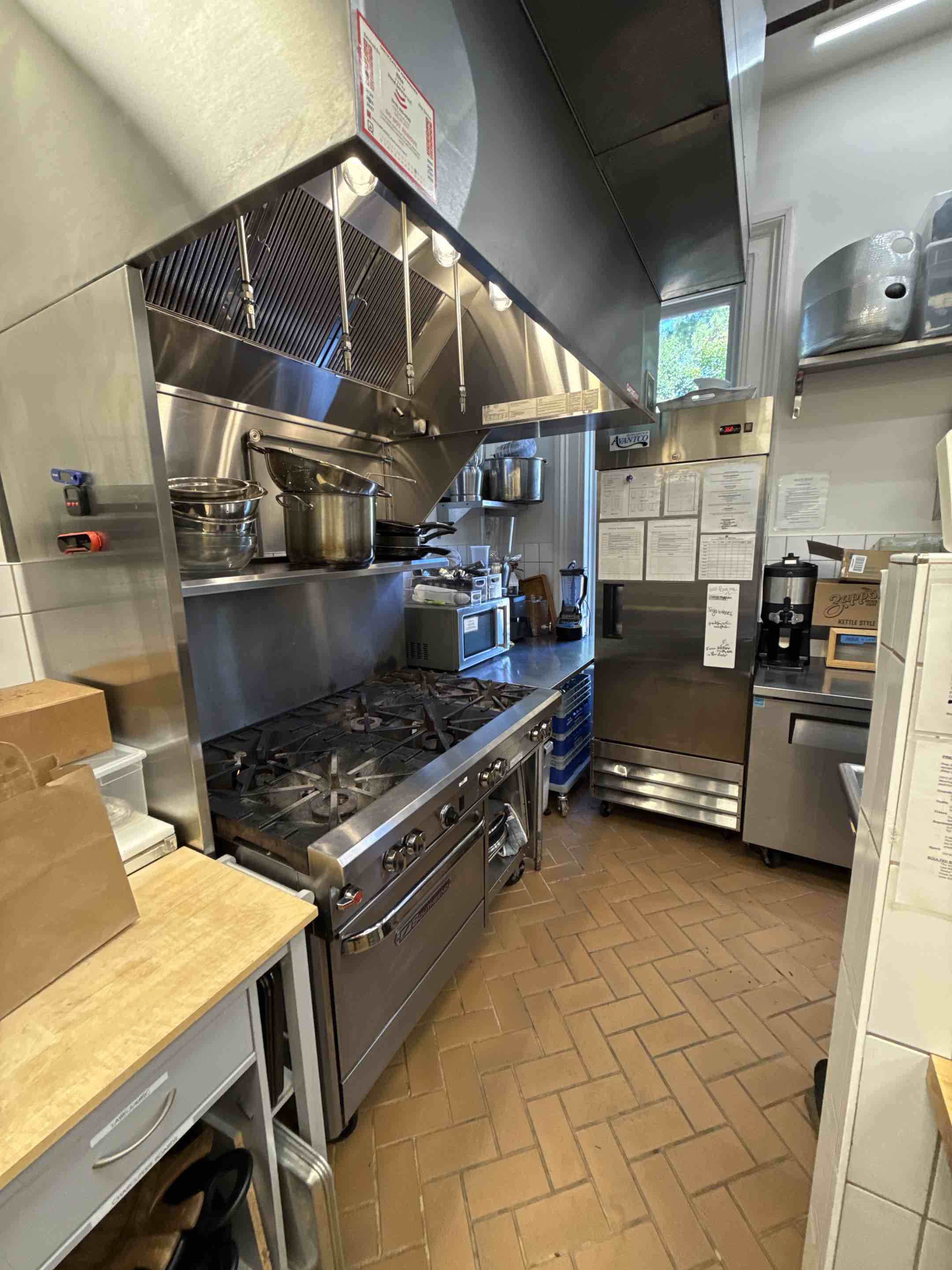
A kitchen exhaust is a ventilation system that extracts smoke, heat, and odor from cooking surfaces. If you are a restaurant manager, this device can come in handy for your restaurants. Large scale cooking is bound to get messy at some point, and if commercial owners do not take precautions, a fire outburst will occur. The kitchen exhaust protects the restaurant from hazards, but more importantly, clients and staff. The kitchen exhaust is great, no doubt, but over time depending on the cooking scale, grease does build up in parts of the system.
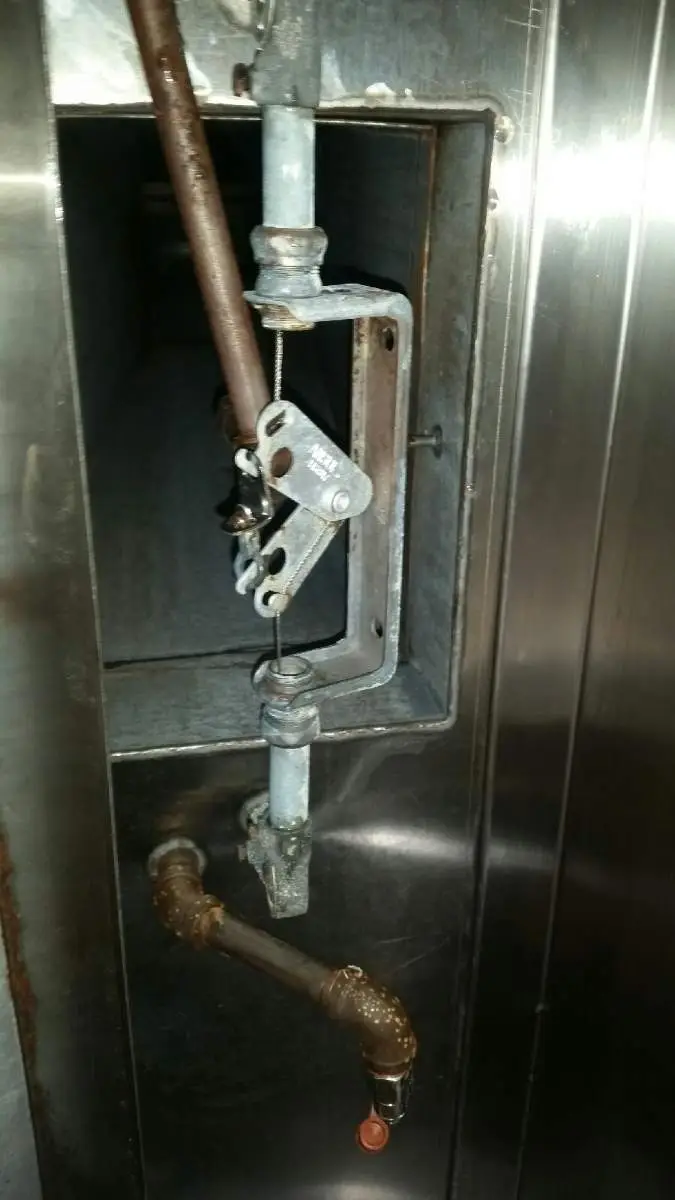
Restaurant managers are often clueless about what a properly cleaned exhaust system looks like and might find it difficult to choose the right equipment or the right professional cleaning service for the job. A complete kitchen exhaust is fitted with a hood, hood filters, exhaust fan, and horizontal and vertical ductwork; this is necessary to keep in compliance with certain standards for protection. Commercial facility owners should always have a guideline from a standard association on the safety requirements for public and private cooking operations.
A great guideline is the NFPA-96 Standard (National Fire Protection Association Standard for Ventilation Control and Fire Protection of Commercial Cooking Operations 2011 edition). Having an understanding of the requirements for proper equipment and cleaning necessities provides law for virtually every commercial cooking establishment that require a base for owners to keep to standard as kitchen exhaust cleaning.
Kitchen exhaust cleaning (often referred to as hood cleaning) is the process of removing grease that has accumulated inside the ducts, hoods, fans, and vents of exhaust systems of commercial kitchens. Left uncleaned, kitchen exhaust systems eventually accumulate enough grease to become extreme fire hazards. Exhaust systems must be inspected regularly, at intervals consistent with usage, to determine whether cleaning is needed before a dangerous amount of grease has accumulated.
Kitchen exhaust cleaning or restaurant hood cleaning service is a service required by law to be served in regular basic. Elite Hood Service specializes in kitchen exhaust hood cleaning for restaurants and other commercial facilities in North Carolina for years
How Often Should You Clean The Exhaust System?
Cleaning an exhaust system would have to depend on how frequently the kitchen is used and what type of system that has been installed. Kitchen exhausts have hoods and ductwork to remove smoke from kitchens, but some of the exhaust gases have a residual impact on the ductwork. Generally, it is advisable to clean every three months, but if the restaurant uses wood-burning or charcoal-burning stoves, you should clean as often as two weeks, the type of fuel and how much food you cook can also be a determining factor.
For solid fuel cooking, you should clean the exhaust systems on a monthly basis. Clean exhaust systems in kitchens that cook meals moderately on a semi-annual basis and kitchens that cook a lot of food every 24-hours. Open cooking, Chinese cooking that involves cooking on the wok should quarterly cleaning. Clean exhaust systems in restaurants that use low volume cooking, for instance, seasonal restaurants even less frequently. These are baseline requirements for cleaning, but local fire codes and the type and quantity of food might require different cleaning frequencies.
Employees should wipe down the hood box with a non-reactive soap and water every day to protect the hood from grease. Restaurants that use solid fuel should have the spark arrestors in the wood cleaned on a daily basis. Some restaurants clean filters on a weekly basis to get rid of grease buildup but some clean daily to avoid the challenges that come with either soaking the hood filter overnight or scrapping filters to get rid of grease. Cleaning filters can also be dependent on health codes for the restaurant; some require washing in three-compartment sinks, and others allow running through a dishwasher.
The design of hoods installed in restaurants is a very important thing to observer, as some hoods come with other filters that you should maintain or replace regularly. Exhaust systems that have pollution control equipment also come with pressure sensors to give the users a sign that the filters are full and need to be changed; solid fuel users with charcoal filters should change these units bi-annually or quarterly. The staff should wash filter cells by hand using detergent and hot water bi-annually. It is important to regularly inspect the parts of the exhaust system that can be cleaned with a water-wash or have self-cleaning hoods to prevent grease buildup.
Table 11.4 Schedule of Inspection for Grease Buildup
While many kitchen exhaust cleaning contractors tell their customers that a kitchen exhaust system must be CLEANED at specific periods of time, you must understand that there is no requirement within NFPA 96 identifying “scheduled cleaning.” Table 11.4 does, however, illustrate the Schedule for Inspection for Grease Buildup within a commercial ventilation system:
Monthly: Solid Fuel Cooking Operations such as Wood or Charcoal.
Quarterly: High-Volume cooking such as 24-hour, char-broil, oriental.
Semi-annual: Moderate Volume cooking such as Schools, Independent restaurants (Mom & Pop’s).
Annually: Low-Volume cooking such as Churches, day camps, senior centers.
How Do You Decide If Your Exhaust Is Clean?
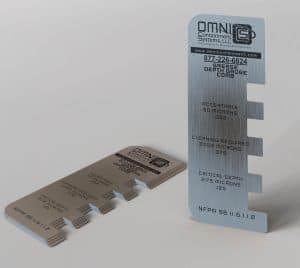
Carry out frequent inspections, check for grease buildup on the surfaces; if you find any, get it cleaned. You can also determine how clean your exhaust surface is by using a Grease Gauge; this provides an accurate measurement by determining the fuel buildup on the surface of the exhaust system.
Importance of Kitchen Exhaust Cleaning!
It does seem an awful bother to keep checking and cleaning exhaust systems, but the truth is more often than not, fire outbreaks from restaurants occur. Yes, insurance might cover the cost of the burning building, but there is a lot of time that will be lost during trying to get the restaurant back on track. Customers might decide to find other places to eat. On the question of what could possibly be the cause of these fires, the answer is grease. This residue is not only a fire hazard, but it could also be a health hazard; grease produces odors and smoke that has a negative influence on customers. As such, it is important to get the kitchen exhaust cleaned as at when due.
Restaurant owners and managers should know that kitchen exhaust cleaning is standard in the maintenance of cooking operations. This makes it important to clean the kitchen exhaust because this is one of the ways to grade food establishments. It is important to clean the kitchen exhaust and keep all the units free from grease because health code violations are often met with strict enforcement and punishment like license retractions of the food outlets that fall short of the cleanliness criteria.
Why You Should Use A Specialized Cleaning Service?
Once you understand how important it is to meet the assessment criteria for health inspection officers, you take steps to ensure the restaurant does not lose its license or get into a fire accident. Restaurant managers should get an exhaust cleaning service to take care of all units attached to the system because they have the necessary training for it. It is easy to get rid of grease on the exhaust surface, but some units have to be dismantled before cleaning. The areas you might not be able to reach, or you do not have the proper cleaning tools for should be outsourced to an exhaust cleaning service. Areas that are not visible could have grease deposits, cleaning services are able to go through the entry point of the hood to reach the grease in the kitchen exhaust. Professional service ensures that you are ready for a fire department inspection and insurance inspection. These services find out mechanical faults during cleaning that enables you to get preventive maintenance. These services do the hard work of cleaning filters, so you do not have to. A professional cleaning service ensures that the exhaust is cleaned according to NFPA 96 requirements. It is important to take note of all reviews before choosing a service. Choose professionals that have good reputations to their names.
The Compliance Engine
The Compliance Engine is a simple, Internet-based tool for Fire Prevention Bureaus, Water Departments, and Building Departments to track and drive inspection and testing code compliance, reduce false alarm activity, ensure clean drinking water and provide a safer community.
It provides a secure cloud environment in which third-party contractors that inspect, test, and maintain fire protection systems backflows and elevators, submit their reports via BRYCER’s web portal directly to the Authority Having Jurisdiction, facilitating a more efficient review, tracking, and follow-up process with occupants to correct deficiencies and maintain systems.
BRYCER also provides proactive services, in addition to the web-based technology, that includes; hard and soft copy notifications, call services, analytics, consultation, 24hr support, and market education to help increase testing and maintenance activity in a given jurisdiction. The end result is a comprehensive and accurate aggregation of data around which buildings have what types of systems when they were last tested, and if there are any open deficiencies that could jeopardize their successful deployment in the event of an incident.
With The Compliance Engine, Code Officials are better equipped to do more with less in their mission to drive 100% compliance with fire protection systems, backflows and elevators adopted inspection, testing and maintenance laws.
Hood cleaning Raleigh NC
Elite Hood Service is your Number 1 choice when to maintain your kitchen exhaust system clean. We are specialist in Commercial kitchen exhaust cleaning, and restaurant hood cleaning with 10+years of experience in the industry.
Ready to get started?
For a professional Quotation please call (919) 229-9599 today and book your personal consultation with the hood cleaning industry leader in Raleigh, North Carolina and surrounding areas.
Mon: 9:00 AM – 5:00 PM Tue: 9:00 AM – 5:00 PM Wed: 9:00 AM – 5:00 PM Thu: 9:00 AM – 5:00 PM Fri: 9:00 AM – 2:00 PM Sat: Closed Sun: Closed
Local Check-ins
Recent Jobs and Reviews in Raleigh, Durham, Greensboro, Burlington, Carboro, Chapel Hill, Henderson, Wilson, Roanoke Rapids, NC
Rated 4.6 out of 5 stars based on 28 customer reviews
Raleigh, Durham, Greensboro, Burlington, Carboro, Chapel Hill, Henderson, Wilson, Roanoke Rapids, NC at a glance
Elite Hood Service LLC has completed 25 jobs in Raleigh, Durham, Greensboro, Burlington, Carboro, Chapel Hill, Henderson, Wilson, Roanoke Rapids, NC between August 2026 and September 2026.
The 15 customer reviews shown here average 4.9 out of 5.
The most recent job was on September 16, 2026.
Recent work in this area also covers Raleigh, Wilson, Roanoke Rapids, Durham and Greensboro.
Reviews
Excellent!
On time, did a great job, nice to be able to not have to worry about some things! 👍
Wildwood
– Raleigh, NC 27613
Technicians were well knowledgeable and followed all safety protocols while on site for the cleaningCollins
– Wilson, NC 27896
Excellent service
Pablo as he has been in the past is very polite, professional, & does a thorough inspection & cleaning.
Benson Memorial United Methodist Church
– Raleigh, NC 27612
Excellent ServiceD@NHBC
– Raleigh, NC 27604
Service as always was top notch.Collins
– Wilson, NC 27896
Great Job
Quick and easy to work with. Pablo super chill an efficient. Will use again in future
Brunches
– Chapel Hill, NC 27516
Excellent Service!
He did a great job. I got a text when he was otw. Did not take to long at all. Very respectful.
Korner
– Raleigh, NC 27616
Technicians were awesome while completing the hood cleaning in our kitchen.Collins
– Wilson, NC 27896
Great job!
Looks great!
Cadence
– Raleigh, NC 27609
Great
Job well done.
Las
– Raleigh, NC 27609
Amazing service as always!
In the commercial catering business scheduling changes at the drop of a hat. It is a terrible situation for scheduling hood cleaning, Elite makes it easy and for that we are grateful!
Hoods at all our locations are serviced by Elite, and they do a fantastic job!
Rocky
– Raleigh, NC 27609
Great ServiceCollins
– Wilson, NC 27896
Excellent service!Wildwood
– Raleigh, NC 27613
Good service!Which
– Durham, NC 27707
Great service and extremely hard workers!!
1000/10 they worked very hard and it was a big job.
El Alebrije
– Greensboro, NC 27409
Job Locations
Donnovan J.
o
Raleigh, NC 27612
Filiberto O.
Cleaned kitchen hood and exhaust fans
Raleigh, NC 27607
Alfredo O.
A thorough cleaning of the kitchen hood was performed, focusing on removing accumulated grease and debris. The process began with a detailed inspection to identify areas with the most buildup. Specialized cleaning agents were applied to dissolve the grease, followed by careful scrubbing to ensure all contaminants were removed. The hood's filters were also cleaned and inspected for damage. After the cleaning, the hood was tested to confirm proper functionality. The entire process was completed with attention to detail to ensure the kitchen hood operates efficiently and safely.
Raleigh, NC 27603
Donnovan J.
A thorough hood cleaning service was performed for a high-traffic sushi restaurant. The task involved meticulous cleaning of the commercial kitchen's exhaust hood system, ensuring all grease and parti
Roanoke Rapids, NC 27870
Donnovan J.
A thorough cleaning of the commercial kitchen hood system was performed. This included removing accumulated grease, grime, and debris from the hood filters, ductwork, and exhaust fans. The process involved disassembling and inspecting components for wear and damage, followed by a deep cleaning using specialized cleaning agents. The hood system was then reassembled, ensuring all parts functioned correctly. Additionally, the surrounding kitchen area was cleaned to maintain a sanitary environment. The final step involved testing the hood system to confirm proper operation and airflow efficiency.
Roanoke Rapids, NC 27870
Donnovan J.
A thorough hood cleaning was performed at a chic restaurant, ensuring optimal ventilation and safety. The process began with a detailed inspection of the kitchen's exhaust system. All components, including the hood, filters, and ducts, were meticulously cleaned
Roanoke Rapids, NC 27870
Cristian D.
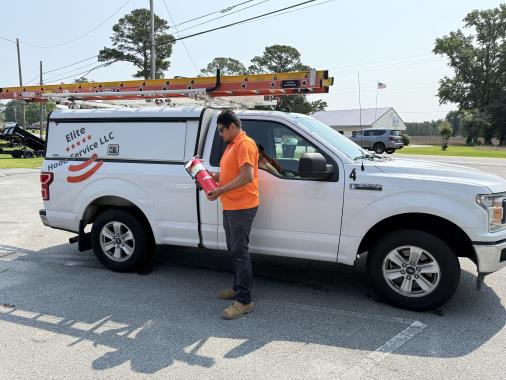
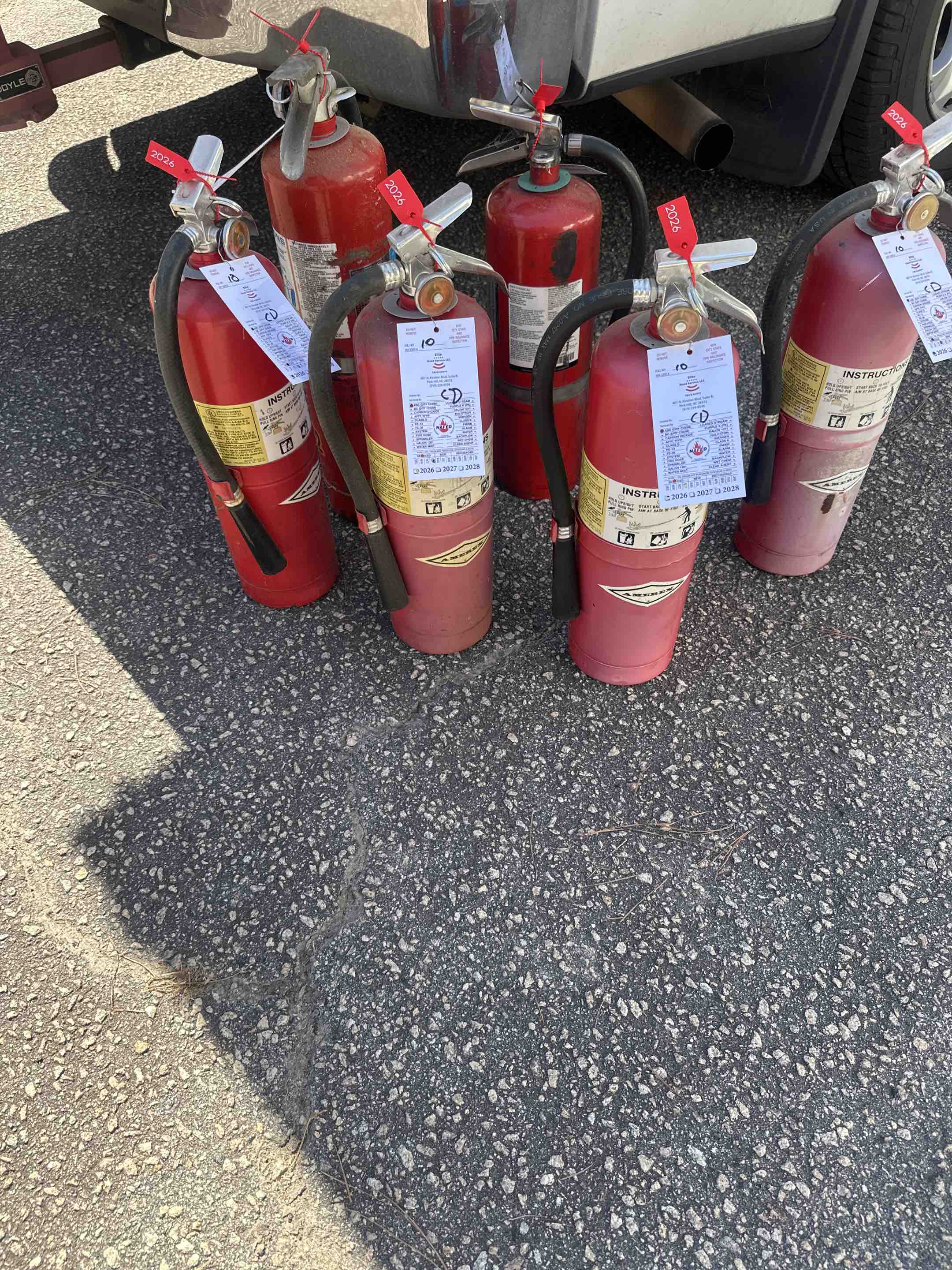
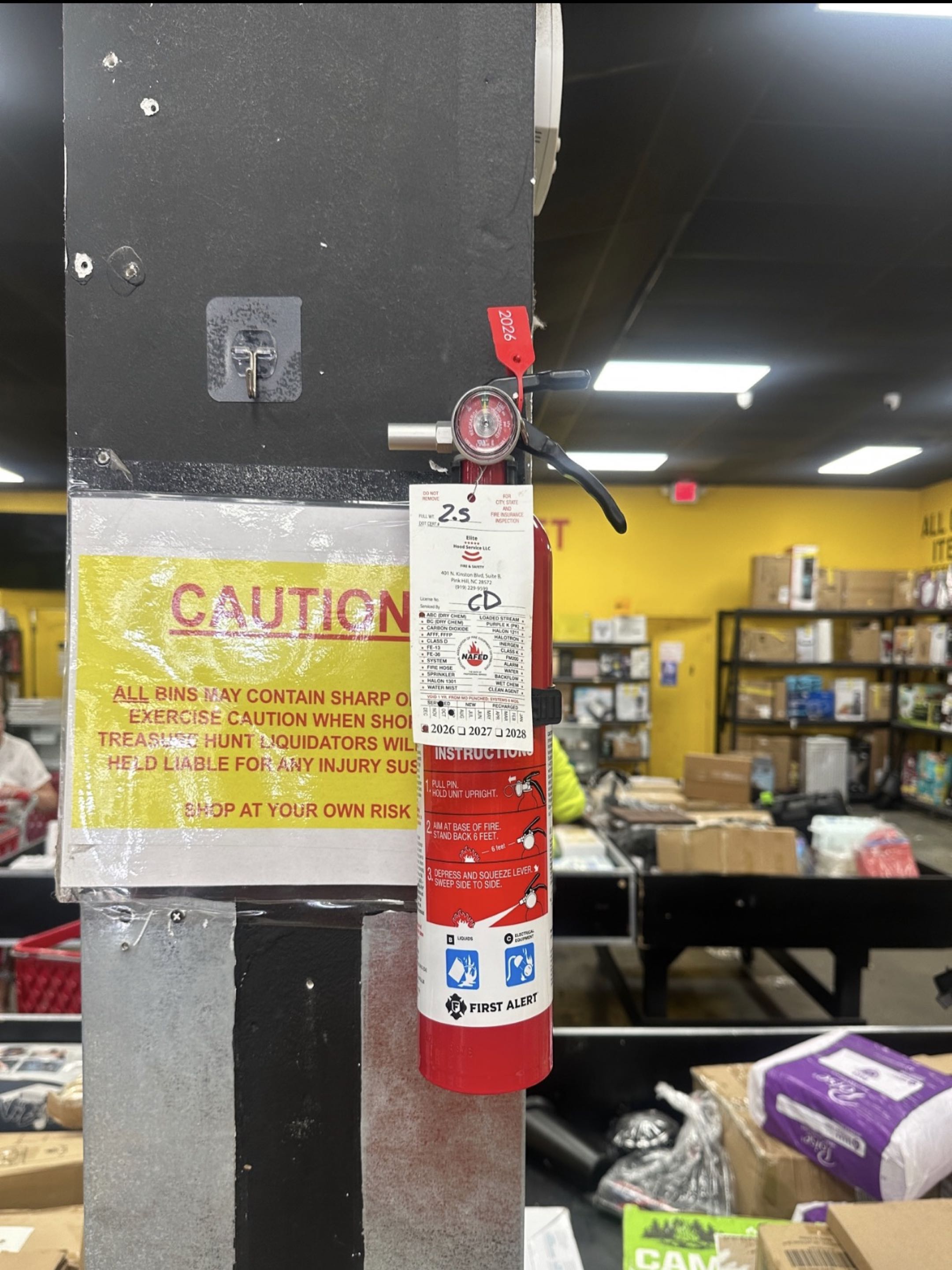
Completed a thorough inspection of 21 ABC fire extinguishers, ensuring they were fully operational and compliant with safety standards. Each extinguisher was checked for proper pressure levels, operational functionality, and absence of physical damage. The inspection included verifying the presence and condition of safety seals, examining the nozzle for blockages, and ensuring the extinguishers were correctly mounted and easily accessible. Additionally, the inspection involved a visual assessment of the extinguisher's body and gauge, confirming they were free from corrosion and other wear. All findings were documented, and necessary maintenance or repairs were scheduled to ensure continued readiness.
Raleigh, NC
Donnovan J.
A thorough hood cleaning service was performed for a restaurant, ensuring optimal kitchen ventil
Durham, NC 27707
Francisco M.
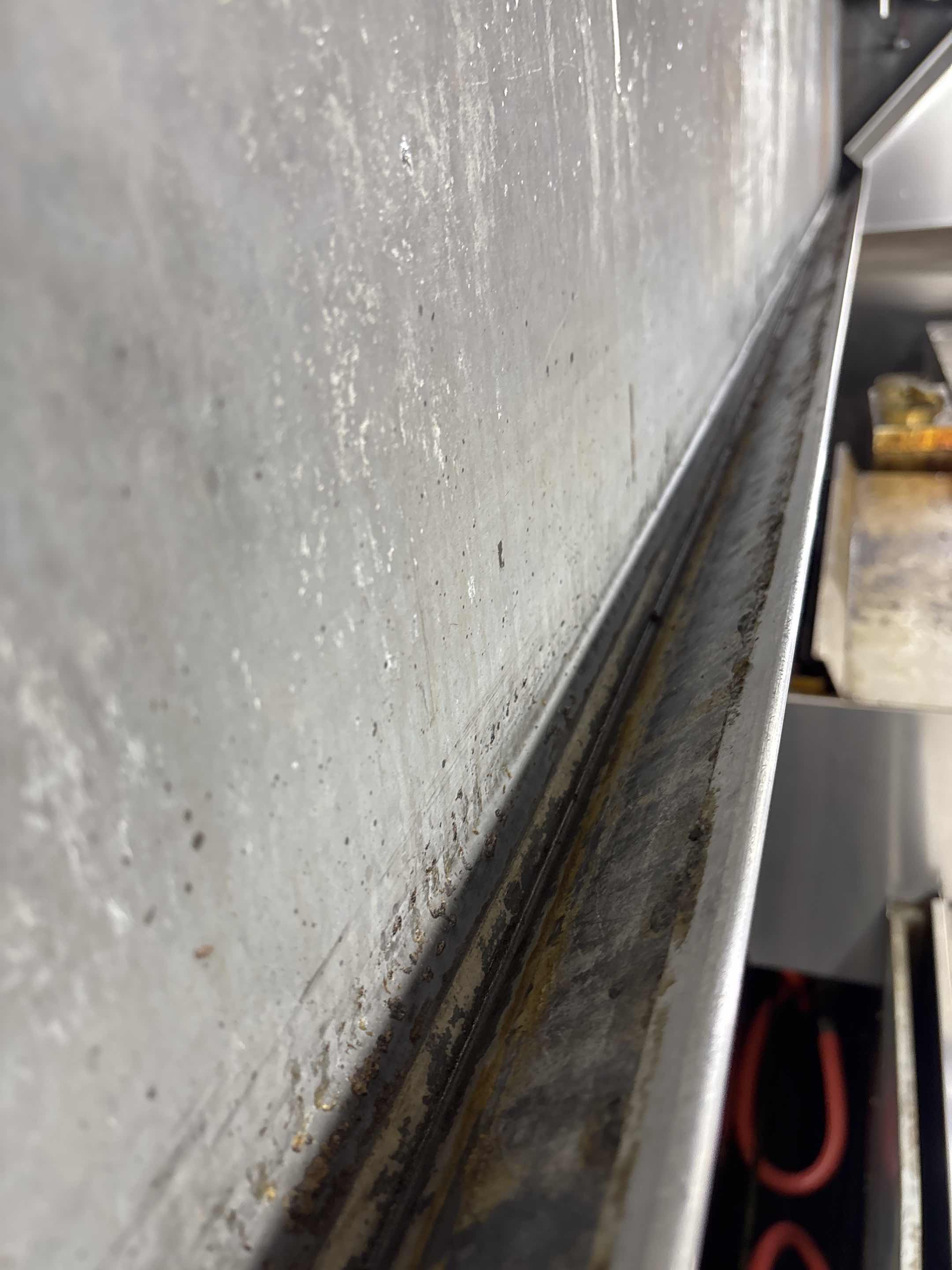
A grease trap of a hood exhaust after picture
Raleigh, NC 27609
Francisco M.
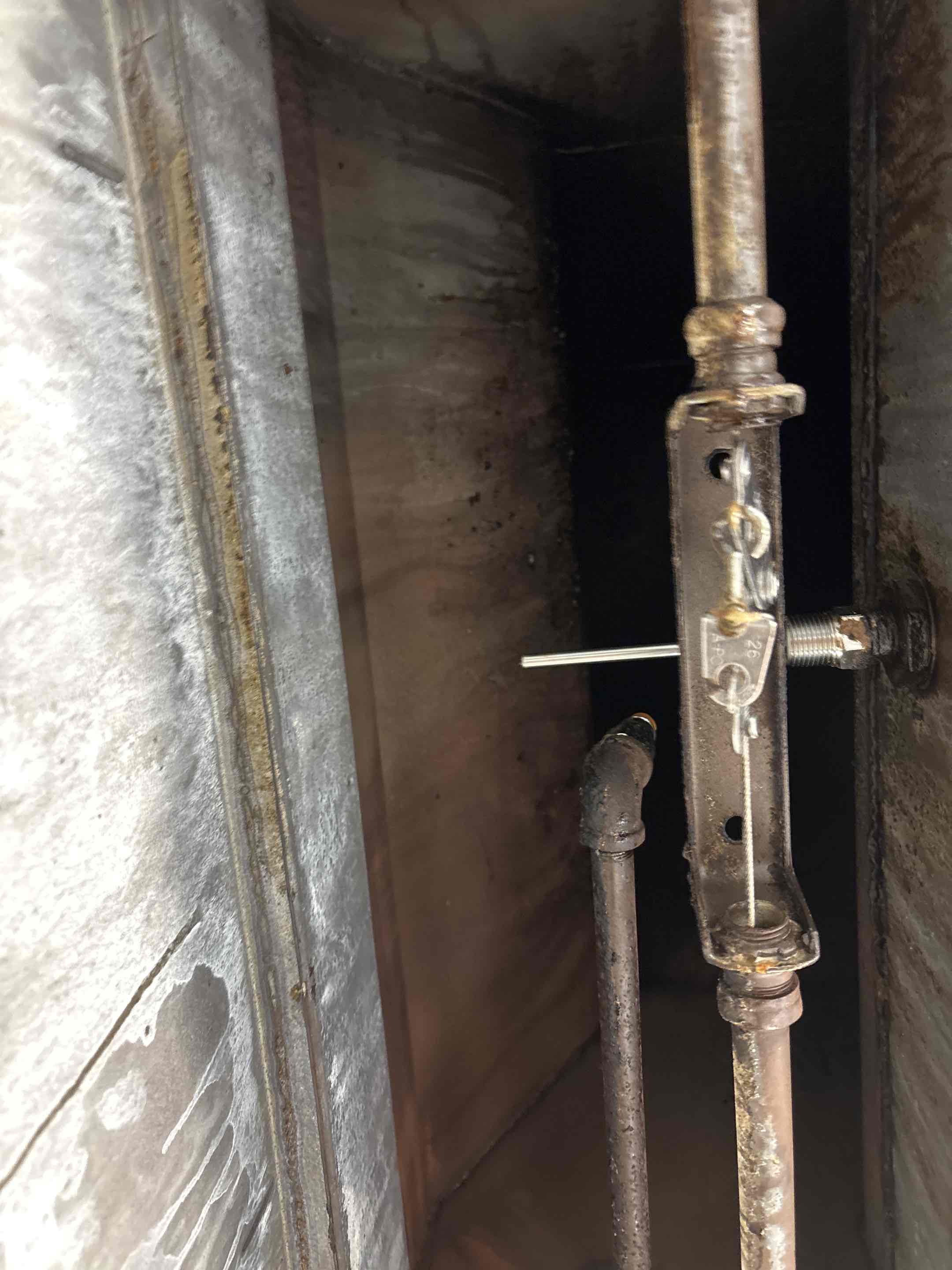
Up the ductwork of a exhaust hood
Raleigh, NC 27609
Filiberto O.
Diagnosed and changed direct drive motor on a kitchen exhaust fan
Raleigh, NC 27615
Donnovan J.
A comprehensive cleaning service was provided to the sandwich bar, ensuring every nook and cranny was spotless. The counters, tables, and floors were meticulously wiped down, removing any grease or crumbs. High-touch areas such as door handles, light switches, and appliances were disinfected to maintain hygiene standards. Trash was collected and disposed of properly, and all surfaces were sanitized. The bar area was left clean and organized, ready for customers. Attention to detail ensured that no area was overlooked, resulting in a pristine and welcoming environment.
Durham, NC 27707
Cristian D.
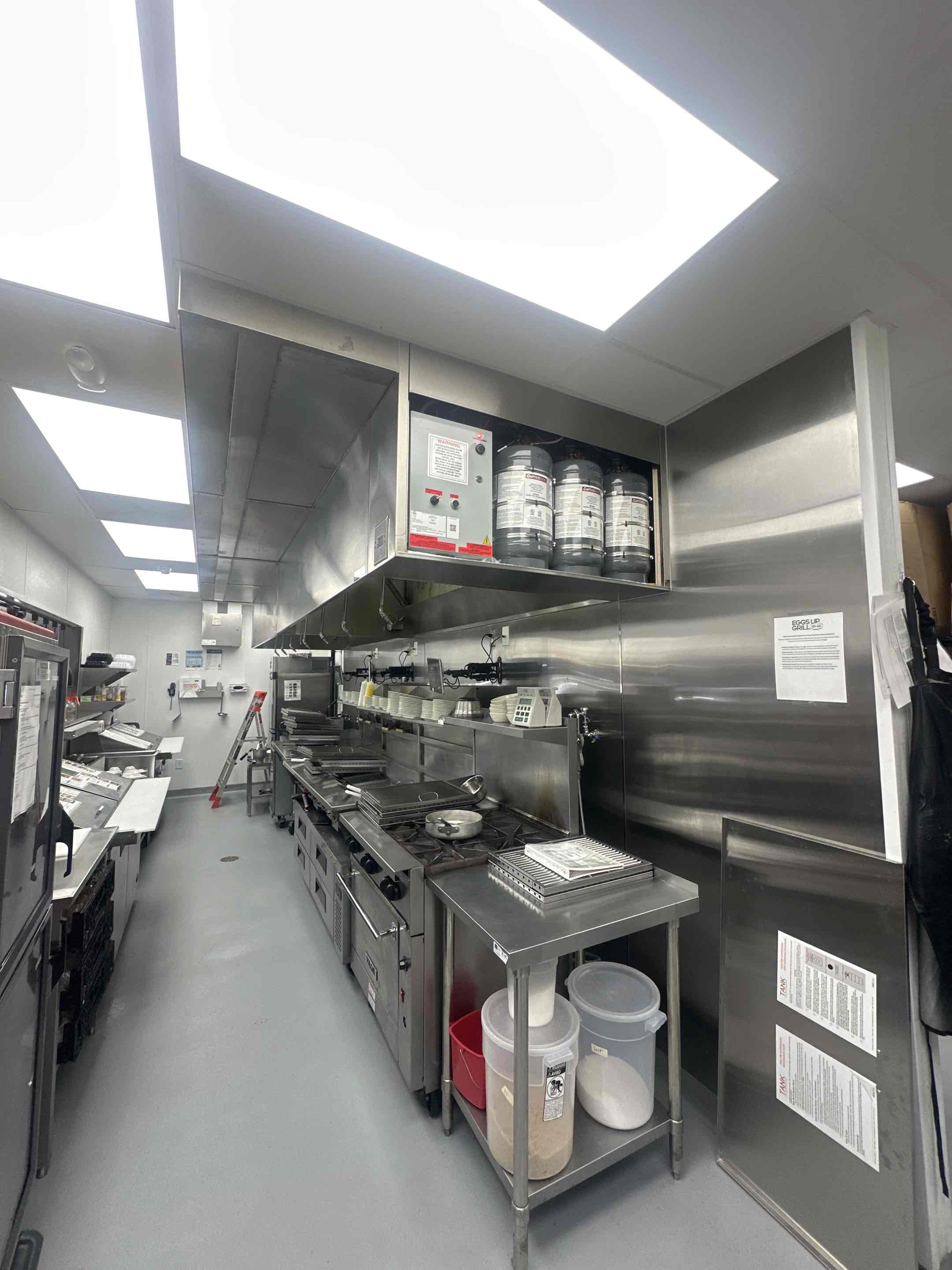
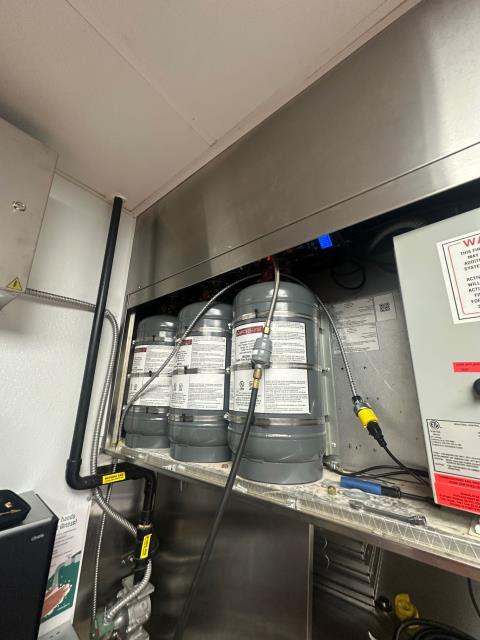
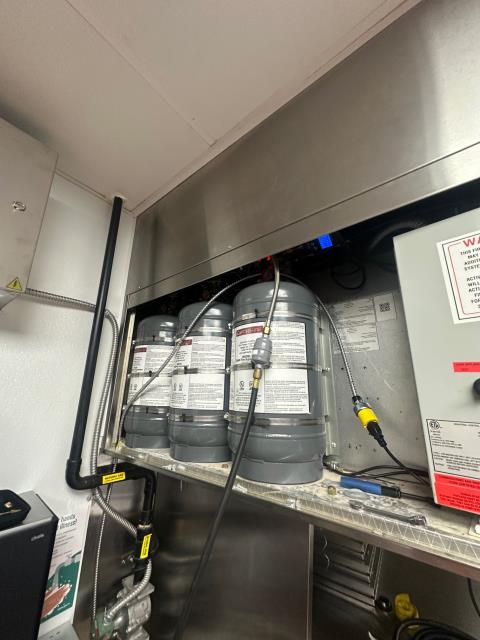
Conducted a comprehensive fire suppression inspection on a Captiveaire system. The inspection involved a thorough examination of all components, including the sprinkler heads, piping, and control valves. Each element was tested for functionality and integrity, ensuring the system was fully operational. The inspection also included verifying the system's compliance with relevant safety standards and regulations. After completing the inspection, the system was found to be in excellent condition, meeting all necessary criteria. The system was successfully tagged as operational, confirming its readiness to provide effective fire suppression in case of an emergency.
Raleigh, NC 27614
Cristian D.
Conducted a thorough inspection of four ABC fire extinguishers, ensuring they were fully charged, operational, and compliant with safety standards. Each extinguisher was tested for pressure levels, checked for visible damage, and verified for proper labeling and accessibility. Additionally, I reviewed the maintenance records to confirm that all required servicing and inspections were up to date. The inspection process included a visual examination of the extinguishers, ensuring they were securely mounted and unobstructed. All findings were documented, and recommendations for any necessary actions were provided to ensure continued safety and compliance.
Raleigh, NC 27604
Alfredo O.
A thorough kitchen hood cleaning was executed, starting with a comprehensive inspection to identify areas with significant grease buildup. Specialized cleaning agents were applied to dissolve accumulated grease and grime. The hood's internal components, including baffles and filters, were meticulously cleaned and sanitized. Grease traps and ducts were inspected for blockages and cleaned as necessary. Post-cleaning, the hood was tested to ensure proper ventilation and functionality. The entire process adhered to industry standards to maintain optimal performance and safety.
Raleigh, NC 27601
Donnovan J.
A thorough cleaning of the commercial kitchen hood system was performed, ensuring optimal performance and safety. This involved dismantling and inspecting all components, including filters, fans, and ductwork. Grease and debris were meticulously removed using specialized cleaning agents and tools. Filters were cleaned and replaced as necessary, and fans were inspected for wear and lubricated. The ductwork was cleaned to remove accumulated grease and ensure proper airflow. Post-cleaning, a functional test was conducted to confirm the hood system's efficiency. This comprehensive service helps maintain a clean, safe, and compliant kitchen environment.
Roanoke Rapids, NC 27870
Donnovan J.
We recently completed a hood cleaning service focused on the ventilation system and exhaust hoods. After a thorough inspection, we removed grease and grime using specialized tools. We disassembled parts when necessary to ensure complete sanitation. Following a final inspection, we reassembled the hoods for optimal efficiency. Our goal is to enhance your facility's cleanliness and operational standards.
Raleigh, NC 27603
Mariano R.
I developed a comprehensive 1-Year Service Plan for Hood Cleaning, ensuring adherence to fire safety codes. This plan includes regular, scheduled cleanings to maintain optimal performance and safety. Each cleaning session involves thorough inspection, degreasing, and sanitization of the hood components. The frequency of visits is tailored to the specific needs of the kitchen environment, guaranteeing compliance with safety regulations.
Raleigh, NC 27616
Cristian D.
Completed a semiannual commercial kitchen fire suppression inspection in Raleigh, NC. Tested the control head, detection line, pull station, nozzles, piping, and fuel shutoff. Documented service findings for local compliance reporting under applicable fire safety codes.
Raleigh, NC 27604
Cristian D.
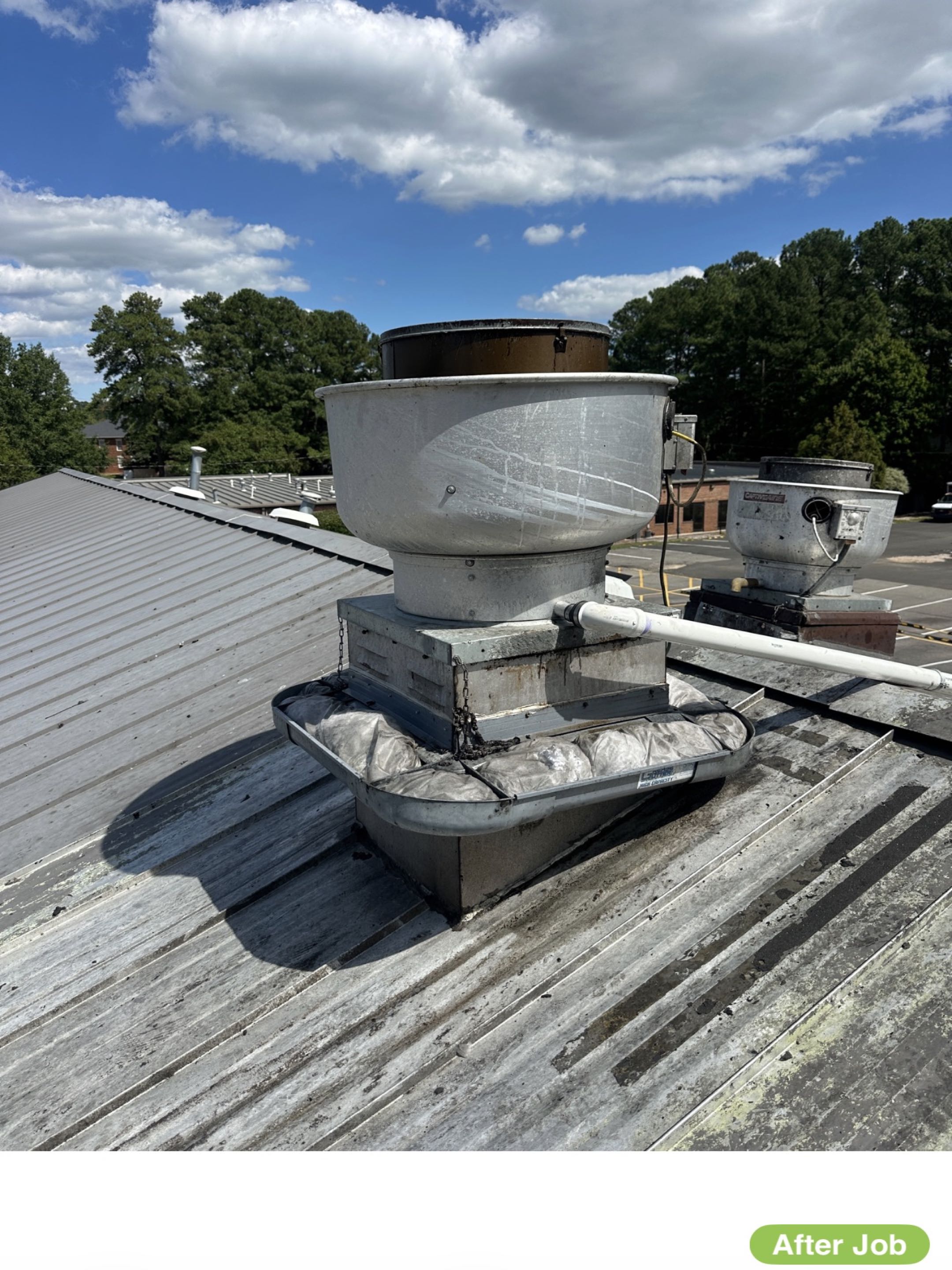
Performing a professional commercial kitchen hood cleaning to remove accumulated grease and buildup from the exhaust hood, filters, accessible ductwork, and rooftop exhaust fan, helping maintain a cleaner and safer kitchen exhaust system.
Raleigh, NC 27607
Cristian D.
Completed a semiannual inspection and functional test of the CaptiveAire kitchen fire suppression system. Checked the system’s main components, nozzle coverage, detection line, manual pull station, and overall condition to help ensure reliable operation and fire code compliance.
Raleigh, NC 27601
Donnovan J.
A comprehensive hood cleaning was executed with precision, targeting every nook and cranny of the kitchen area. The process commenced with a detailed inspection to pinpoint areas needing attention. Grease and grime were meticulously removed from the hood's surface, filters, and ductwork. Spe
Raleigh, NC 27609
Cristian D.
I performed a comprehensive fire suppression inspection on a Captiveaire tank system. The inspection included a detailed examination of the tank, pressure gauges, and the entire system. I looked for any signs of wear, corrosion, or damage. I verified the system's pressure levels to confirm they met the necessary standards. The system successfully passed all checks, indicating that it was fully compliant and operational. This inspection guarantees the safety and reliability of the fire suppression system.
Greensboro, NC 27403
Donnovan J.
Performed NFPA 96-compliant commercial hood cleaning to eliminate fire hazards and optimize airflow. Deep-cleaned all exhaust components—including hood surfaces, filters, and accessible ductwork—to bare metal using specialized degreasers and pressure washing. Tested system functionality post-service to ensure full ventilation efficiency and local fire code compliance.
Raleigh, NC 27616
Donnovan J.
A thorough hood cleaning service was performed for a Culver's restaurant, ensuring a pristine environment. The task involved meticulous cleaning of the exterior hood system, including the grease traps and exhaust ducts. All components were disassembled, cleaned, and sanitized to eliminate grease buildup and contaminants. The hood filters were removed, cleaned, and replaced to maintain optimal airflow. The exterior surfaces were wiped down, and any visible dirt or grime was removed. The process also included inspecting the hood system for any damage or wear, ensuring everything was in proper working order. The job was completed with attention to detail, leaving the hood system clean,